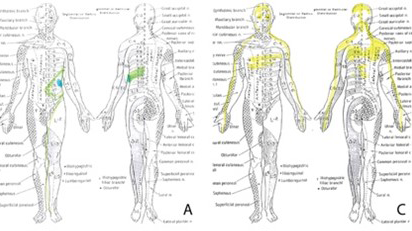
A clinical trial using focused ultrasound medial thalamotomy to treat patients with chronic pain showed sustained pain relief over time.
The 55 participants enrolled presented with spinal cord injury, trigeminal neuralgia, post-discectomy radiculopathy, and other types of nerve-related pain.
One year after treatment, half of the participants had stopped taking opioid pain relievers.
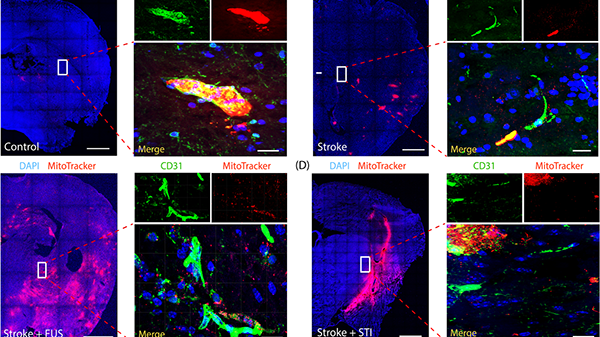
A collaborative team used focused ultrasound to open the blood-brain barrier and enhance delivery of mitochondria to the brain cells in a preclinical model of stroke.
The treatment decreased the cerebral infarction volume and increased cell survival and function.
In this eighth blog in the series, Mark Carol, MD, a senior consultant at the Foundation, addresses the importance of garnering support from professional societies and technology assessment associations.
He explains why additional data may be required before new procedures are incorporated into official clinical guidelines.
“[Dr. Gallay’s study] might be the longest period of follow up for focused ultrasound treatment of neuropathic pain to date. The sustained pain relief and reduction in opioid use are incredibly impactful findings. ”
‒ Tim Meakem, MD, the Foundation’s chief medical officer