In November 2025, I had the privilege of joining more than 50 global experts in Charlottesville, Virginia, for a first-of-its-kind workshop hosted by the Focused Ultrasound Foundation in partnership with CURE Epilepsy. Our shared goal was both ambitious and urgent: to evaluate how focused ultrasound could transform the treatment landscape for epilepsy.
For the millions of people worldwide living with epilepsy, particularly those whose seizures are not controlled by medication, the need for new, safe, and effective therapies has never been greater. Focused ultrasound uses externally applied ultrasound waves focused through the skull to a specific area of the brain to produce therapeutic effects without incisions or radiation. It offers a noninvasive approach that could help meet the needs of those with epilepsy whose seizures are not controlled by traditional approaches.
Why Focused Ultrasound, and Why Now?
Focused ultrasound is unique in its ability to precisely target brain tissue without incisions. Depending on how it is applied, it can either ablate tissue or modulate neural activity. This opens the door to multiple therapeutic strategies for epilepsy, from removing brain tissue that contributes to seizures to altering dysfunctional brain networks.
At the workshop, it became clear that we as a research community are at an inflection point. Scientific advances, early clinical experiences, and growing cross-disciplinary collaboration are converging to accelerate progress in this field.
Key Takeaways from the Workshop
1. A clear unmet need is driving innovation
Despite the availability of anti-seizure medications, approximately one-third of people with epilepsy continue to experience uncontrolled seizures. Surgical options and implantable devices to modulate brain activity exist, but they are not suitable for all patients. The workshop participants aligned on a critical point: Focused ultrasound could provide a new approach to treating epilepsy and avoid risks associated with medication side effects and surgery.
2. Neuromodulation is a promising frontier
While high-intensity focused ultrasound can ablate tissue, much of the discussion centered on low-intensity focused ultrasound (LIFU) for neuromodulation. This approach may allow clinicians to suppress seizures or alter brain networks without permanent tissue damage. This would be an especially appealing option for hard-to-reach brain regions or those involved in critical functions like language and movement.
3. Targeting and parameters remain key challenges
One of the most important scientific questions is: Where and how should we intervene? Participants emphasized the need to better define brain regions to target, understand seizure networks, and standardize ultrasound parameters such as frequency, intensity, and duration of stimulation.
4. Safety and reproducibility must come first
As with any emerging therapy, safety is paramount. The group highlighted the importance of consistent data capture and reporting standards and rigorous clinical trial design to ensure that results are both reliable and comparable across studies.
5. Collaboration will determine the pace of progress
The workshop itself was a powerful example of what is possible when clinicians, researchers, engineers, industry leaders, and people with lived experience come together. Continued collaboration—across institutions and research disciplines—will be essential to move this field forward.
From Discussion to Action
One of the most valuable outcomes of this workshop is the recently published white paper, which captures not only the current state of the science but also a roadmap for the future. It outlines priority research areas, from preclinical studies to clinical trial design, and identifies the infrastructure needed to accelerate translation to patients.
Workshops like this are not just academic exercises—they are catalysts. By aligning on key questions and challenges, we can reduce duplication, focus resources, and move more efficiently toward meaningful breakthroughs.
Looking Ahead
At CURE Epilepsy, our mission is to fund and accelerate research that leads to cures. Focused ultrasound represents an exciting and rapidly evolving area that aligns closely with that mission. We were excited to announce a co-funded Catalyst Award with the Focused Ultrasound Foundation that will test whether low-intensity focused ultrasound can transiently modulate activity in brain regions involved in seizure generation or propagation.
What gives me the greatest hope is not just the technology itself, but the researchers and momentum behind it—the shared commitment, the urgency, and the willingness to tackle hard problems together.
There is still much work to be done. But if the energy and insight from this workshop are any indication, the path forward is becoming clearer—and the potential impact for people living with epilepsy is profound.
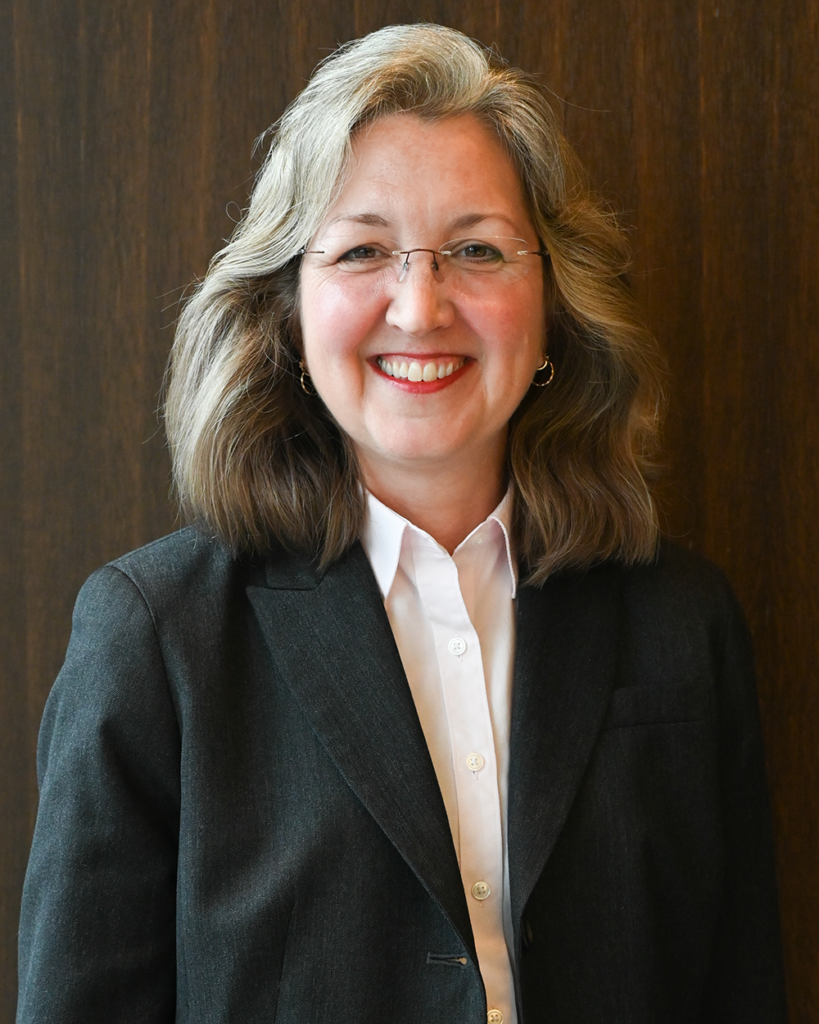
Dr. Lubbers has been the chief scientific officer at CURE Epilepsy since 2017.