
Patient Story: A New Chapter After Decades of Back Pain
Key Points
- Since sustaining a workplace injury in his 20s, Reginald had tried many therapies for his low back pain.
- He shares how a first-of-its-kind focused ultrasound treatment brought him relief.
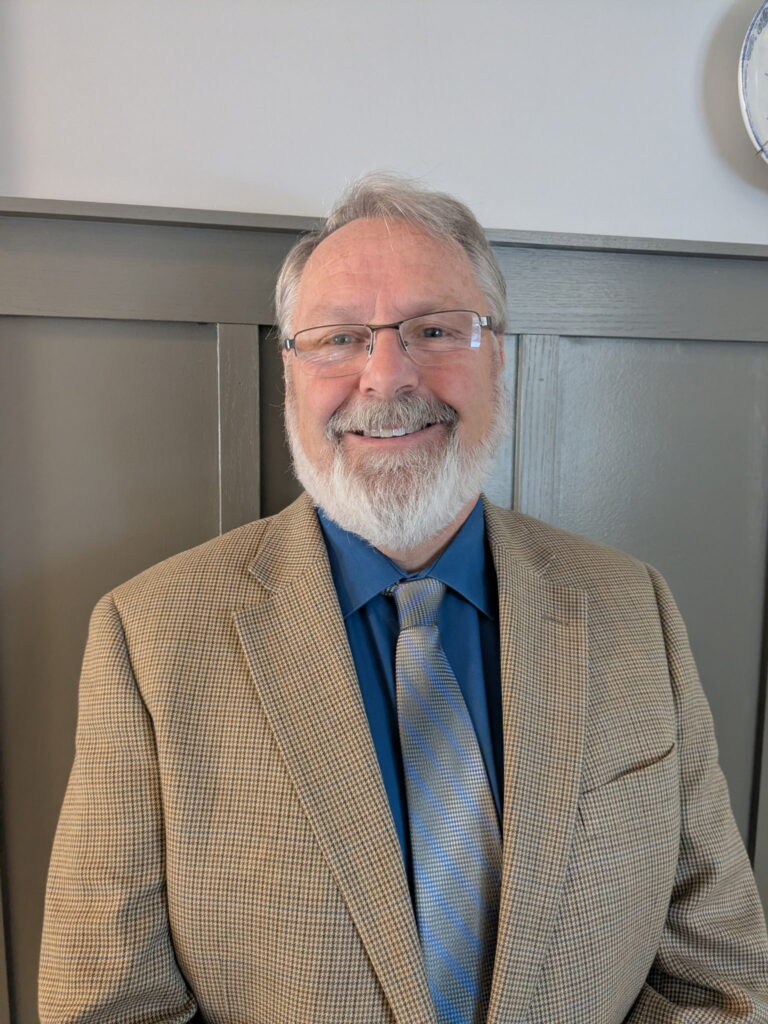
For much of his adult life, Reginald lived with chronic back pain that began after a traumatic workplace injury in his 20s. Though he managed for years with various treatments, the pain always returned. By 2016, it had intensified enough to disrupt even the most basic daily routines.
“We talk about pain on a scale of 1 to 10, and for a lot of the time I was at a 6, 7, or 8. It would come and go, but I always had a fear that improper movement was going to cause it to spasm. Simple things could be really painful, like pulling on socks or boots, standing at the sink to brush my teeth, and leaning forward. Every step sometimes would be a jabbing pain.”
Over the years he tried many interventions to manage it: prescription medications, over-the-counter solutions, massage, acupuncture, and even powerful opioid medication.
“At one point I was on a buprenorphine patch, which is thought of as fentanyl’s little sister. The problem with that drug is that it changes you emotionally and mentally. Some would say it’s a personality intensifier, and if you’re having a bad day, that drug actually made it worse.”
Wanting to move away from medications, Reginald underwent radiofrequency ablation (RFA) for his sciatic nerve pain, which provided clarity on the cause of the pain.
Imaging required for the RFA ablation procedure revealed severe degeneration in his lower spine.
“They showed me the scans and said I had no disc left between L1, L2 all the way to L5-S1. That was why I have this facet joint pain – because the joints are basically resting on each other instead of having that space.”
Given the structural damage, Reginald was willing to try the painful procedure.
“The RFA ablation was pretty aggressive and painful. The procedure itself was about an 8 or 9 on the pain scale. But, I was relatively pain free for about eight months after that.”
After the pain came back, Reginald knew he had to find another solution.
Discovering a New Option
Reginald first heard about focused ultrasound from his sister, who was also dealing with lower back issues.
In November, he underwent the high-intensity focused ultrasound procedure using FUSMobile’s Neurolyser XR device at Unika Medical Centre, a clinic that specializes in diagnosing and treating chronic pain and sports injuries. The treatment itself, he said, was straightforward.
“You lie face down on the bed, then they put gel on your back and use the Neurolyser probe that focuses the ultrasound. It’s a minor discomfort, but it’s only for about 45 seconds at a time. The entire procedure took just over half an hour.”
What happened next surprised him.
“When I stood up and did the mobility test, the pain was gone. Instantly.”
After decades of chronic pain, the feeling was almost hard to believe.
“Focused ultrasound has worked better than I expected for both me and my sister. She actually had an appointment right after I did, and she also received fantastic pain relief.”
Life Without Fear of Movement
Since the procedure in November 2025, Reginald says everyday life has changed in ways that might seem small but feel enormous after years of chronic pain.
“I’m not afraid of rolling over in bed or pulling on my socks. I’m not afraid to do a little bit of exercise. I’m doing Tai Chi for old guys, and that movement has really helped. There’s no way that I would have been able to do any of this before focused ultrasound. I still have some pain in other areas of my back, but the relief of the facet joint pain that was treated is remarkable. I am now five months out from the treatment and still doing well.”
Doctors initially estimated the relief might last four to six months. If the pain returns, Reginald says he wouldn’t hesitate to repeat the treatment.
“If I have to go back in six months, I’ll do it in a heartbeat.”
Hoping Others Can Benefit
Now, Reginald hopes more patients with chronic pain will learn about the technology.
“If the treatment worked for me and it worked for my sister as well, how many more people can benefit from this? Right now, it can treat a very specific area, but it’s so new that what if it could help knee pain, joint pain, shoulders?”
He’s willing to share his story to help others discover the option.
“If focused ultrasound can help other people, I’m glad to be a spokesperson for it. Because it has been amazing for me. It made a huge difference in my life.”
This patient story was adapted from Reginald’s appearance on the Foundation’s webinar “Living a Pain-Free Life with Dr. Sanjay Gupta and the Role of Focused Ultrasound with Dr. Lauren Hadley.”